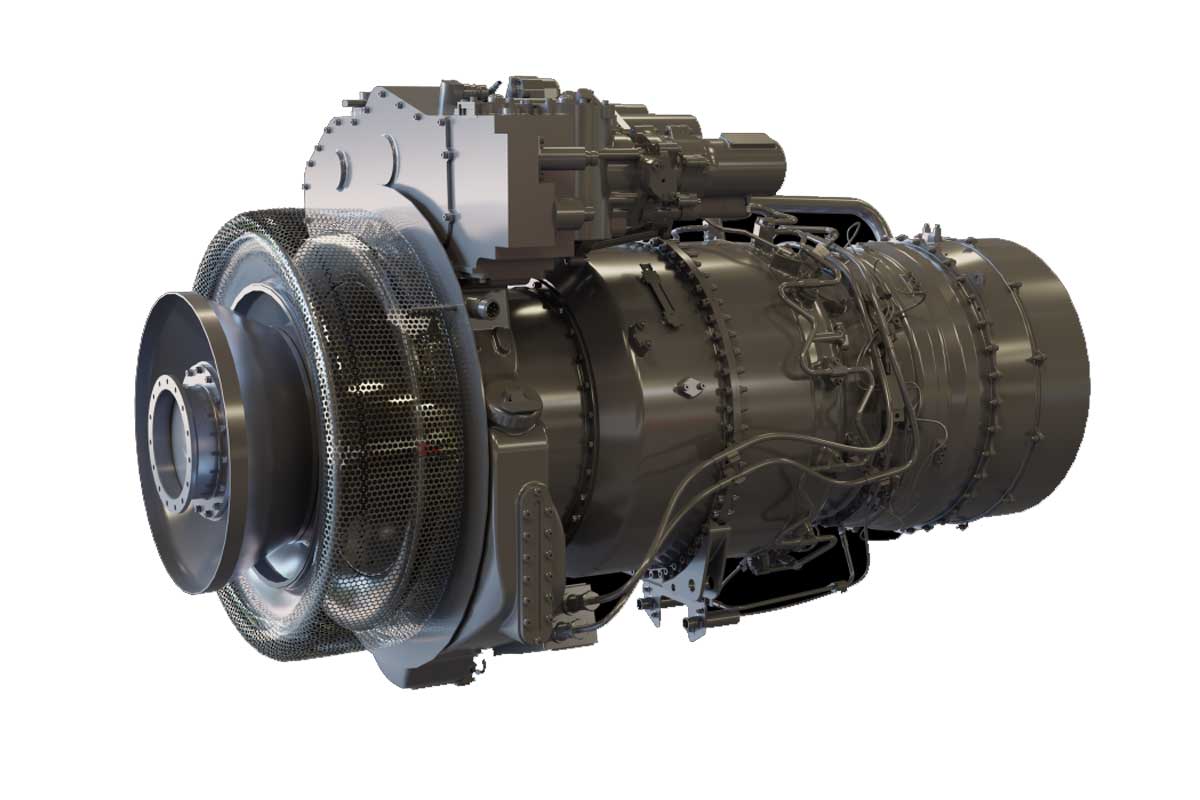


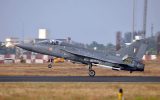
Reliance Industries Limited and British engineering firm Rolls-Royce have signed a statement of intent to collaborate on the design, development, and manufacturing of an indigenous combat engine for India’s Advanced Medium Combat Aircraft (AMCA) programme.
Announced on 14th August 2026, the partnership aims to establish a dedicated Aerospace Gas Turbine Complex in India. This facility is intended to serve as a centre of excellence for power and propulsion technology, covering the full lifecycle of engine production from design and testing to maintenance and support.
Context of the AMCA Programme
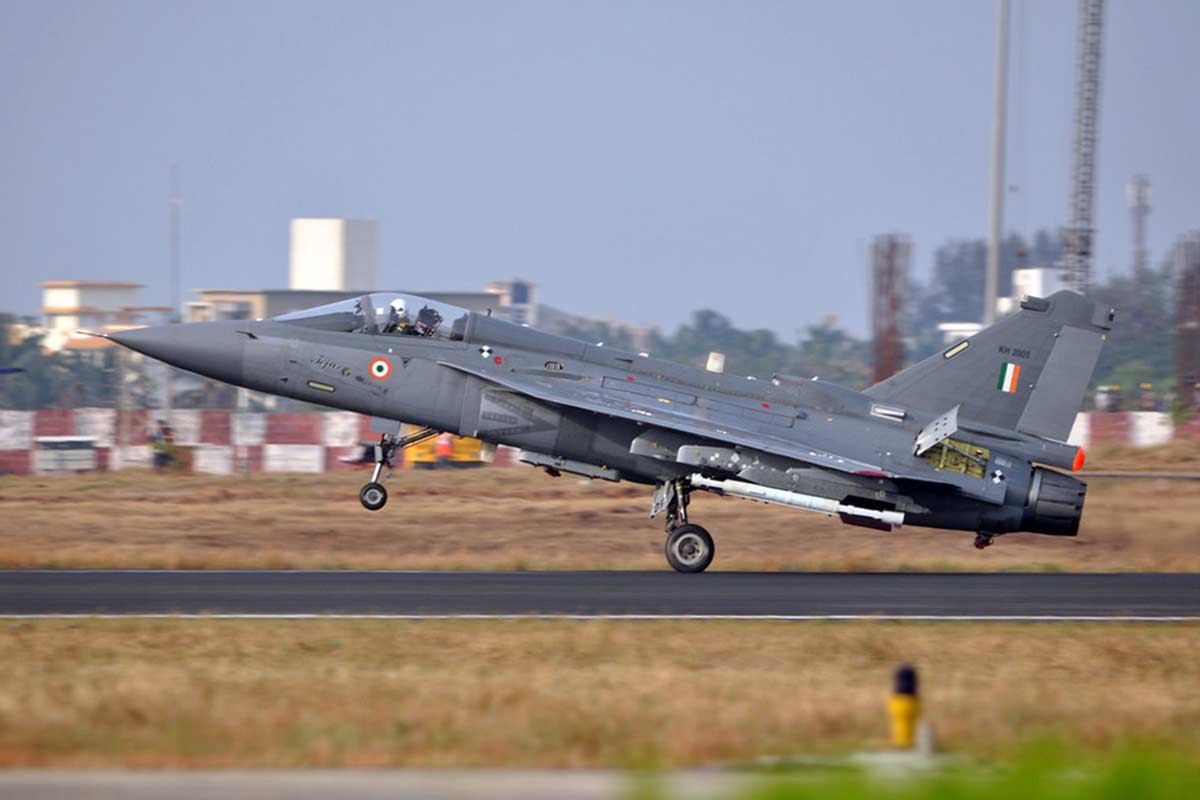
India’s Advanced Medium Combat Aircraft project is a multi-role, fifth-generation fighter jet initiative intended for the Indian Air Force. Developing a high-thrust fighter engine domestically has historically been a significant technological hurdle for India’s defense sector.
The collaboration seeks to combine Rolls-Royce’s technical expertise in gas turbine propulsion with Reliance’s industrial scale, manufacturing footprint, and project execution capabilities. According to the announcement, the initiative aligns with the Indian government’s “Atmanirbhar Bharat” (self-reliant India) policy, which emphasizes domestic manufacturing and technology transfer in critical defense sectors.
READ: Driving the Future of Clean Mobility: Inside Sona Comstar and DENSO’s New Partnership
Industrial and Strategic Implications
The proposed Aerospace Gas Turbine Complex is designed to build sovereign, end-to-end capabilities within India. Beyond the immediate AMCA fighter jet requirement, the partnership framework allows for potential future collaborations spanning defense, civil aerospace, and alternative power systems.
Executives from both companies framed the agreement as a step toward establishing long-term domestic capability. Anant Ambani, Executive Director at Reliance Industries, stated that the partnership is intended to build an enduring national capability in advanced propulsion technologies. Tufan Erginbilgiç, CEO of Rolls-Royce, noted that the agreement combines the company’s engineering heritage with Indian industrial leadership to support the country’s aerospace sector.
Further details regarding financial commitments, exact timelines for the facility’s construction, and the formal structure of the joint venture are expected to be released as negotiations progress.
Don’t Miss: Supercharging AI: Inside AMD’s Strategic Acquisition of MEXT Corporation
Don’t Miss: India Unveils First Indigenous Expendable Turbo Jet Engine of 350 kg Thrust Class