
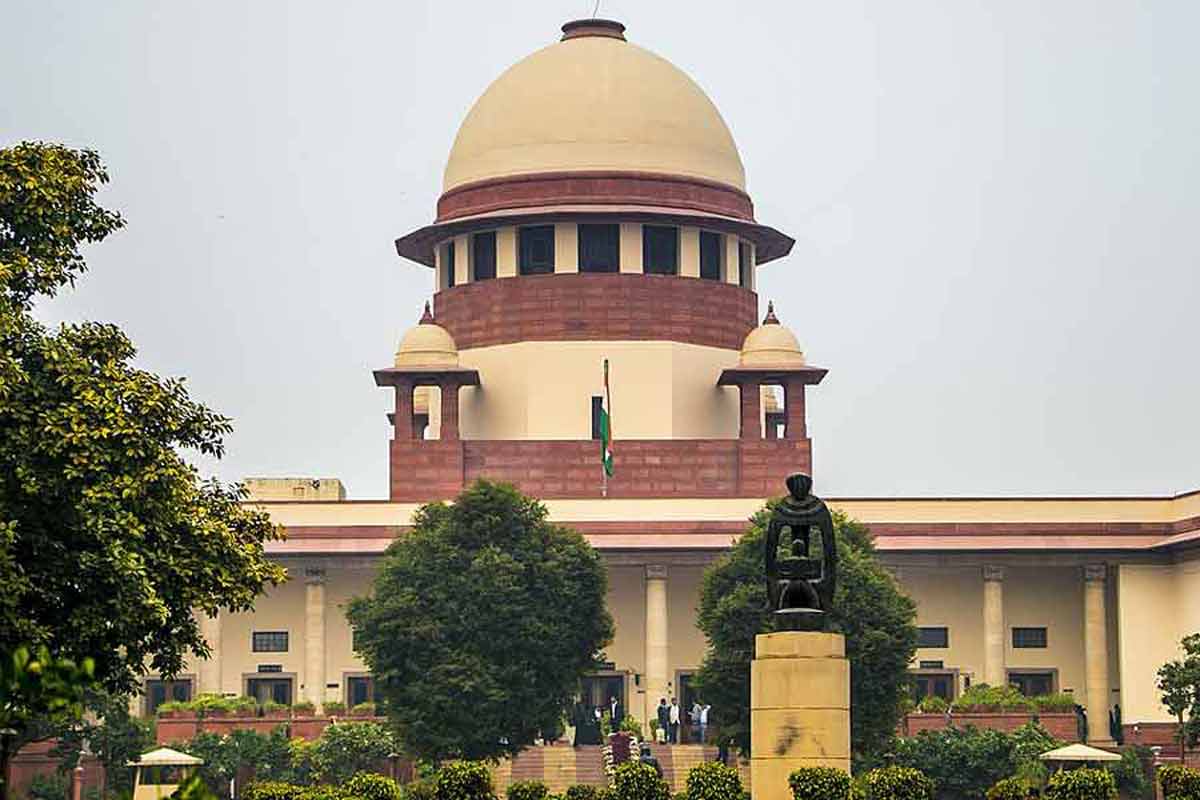
In a significant procedural departure, the Supreme Court of India has agreed to hear in open court the review petitions challenging its landmark ruling mandating three years of law practice for entry into judicial service.
The case arises from All India Judges Association v. Union of India & Ors., where the Court had introduced the requirement for recruitment to the Civil Judge (Junior Division) cadre.
From Chambers to Open Court Hearing
Ordinarily, review petitions are decided in chambers without oral arguments. However, a Bench led by CJI Surya Kant, along with Justices Augustine George Masih and K Vinod Chandran, directed that the matter be heard in open court.
Notice has been issued, returnable on February 26. The merits of the challenge are yet to be examined.
READ: Prime Minister Modi, French President Macron Open Tata-Airbus H-125 Helicopter Assembly Line
What the Original Judgment Held
In its May 20, 2025 ruling, the Supreme Court mandated that candidates must complete three years of practice at the Bar before appearing for judicial service examinations. It clarified that the rule would apply prospectively and not disturb ongoing recruitment processes.
The judgment also directed that selected candidates undergo at least one year of training before presiding over courts, and instructed High Courts and State governments to amend service rules accordingly.
READ: Supreme Court Notifies 2026 Guidelines for Senior Advocate Designation, Scraps Points System
Grounds of Challenge: Equality and Access Concerns
Senior Advocate Colin Gonsalves and Advocate Chandra Sen Yadav are among those who have filed review petitions. The pleas cite past Law Commission reports opposing mandatory prior practice and refer to the Second Judicial Pay Commission Report (2022), which recommended broader consultation before such reforms.
Petitioners argue that the rule may violate Articles 14 and 16 of the Constitution by restricting equal opportunity in public employment, particularly impacting economically weaker and socially disadvantaged aspirants.
The open court hearing is expected to generate significant debate on balancing judicial competence with equitable access to the bench.