
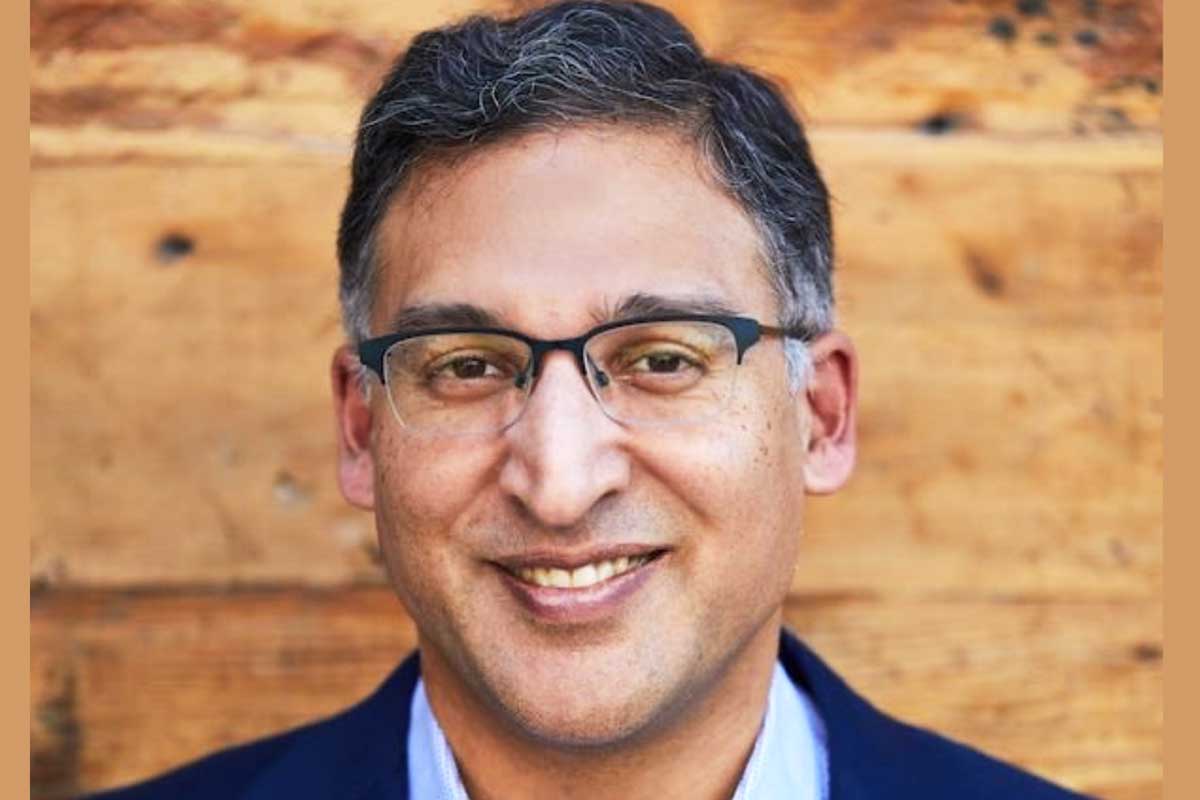
Who is Neal Katyal – Indian American lawyer who stopped Donald Trump’s Tariff Order in US Supreme Court: In a momentous decision that reshaped the balance of power in Washington, the U.S. Supreme Court on February 20, 2026 delivered a 6–3 ruling that struck down former President Donald Trump’s broad tariff orders as unconstitutional — asserting that only Congress has the authority to levy taxes and duties. At the epicenter of that legal victory was one of America’s most formidable constitutional lawyers: Neal Katyal.
Neal Katyal’s argument — that the tariffs imposed under the International Emergency Economic Powers Act were, in effect, taxes and thus could not be enacted by executive action alone — wasn’t just persuasive; it struck at the heart of America’s constitutional structure. “Presidents are powerful, but our Constitution is more powerful still,” he said after the ruling, a statement that captured both his legal philosophy and the ethos driving his career.
Indian Roots and American Rise: From Chicago to the Court
Born in 1970 in Chicago to Indian immigrant parents — a paediatrician mother and an engineer father — Neal Kumar Katyal’s story is quintessentially American. Growing up in the Midwest, he excelled academically, later earning degrees from Dartmouth College and Yale Law School, where he sharpened his instincts for constitutional law.
After law school, Katyal clerked for Judge Guido Calabresi on the U.S. Court of Appeals and for Supreme Court Justice Stephen Breyer, experiences that shaped his pragmatic yet principled approach to legal argument. Early on, he displayed an affinity for high-stakes appellate litigation — the kind that would come to define his career. Over the years, Katyal has argued more than 50 cases before the Supreme Court — a staggering number that places him among the most experienced appellate advocates of his generation. His clients have ranged from states and corporations to advocacy groups, and his briefs have tackled some of the most contentious legal questions of recent decades.
READ: Supreme Court to Hear Review Pleas on 3-Year Practice Rule for Judge Appointment
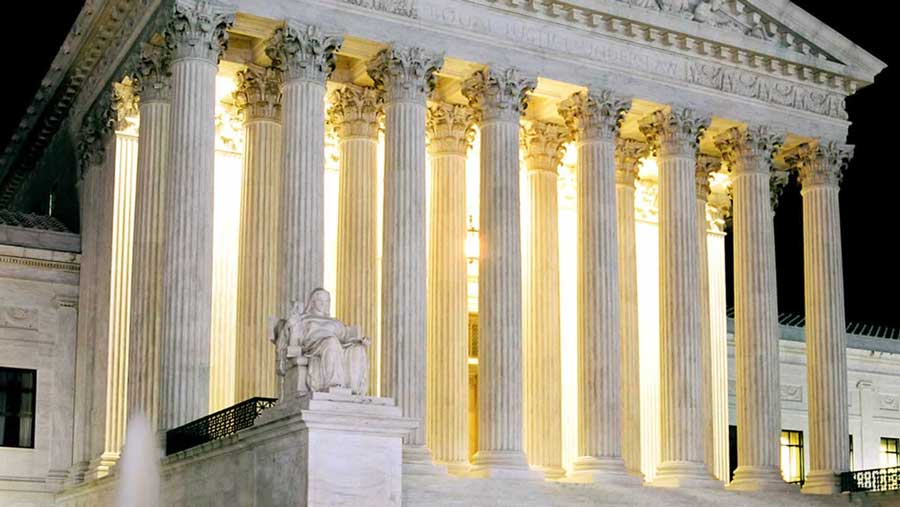
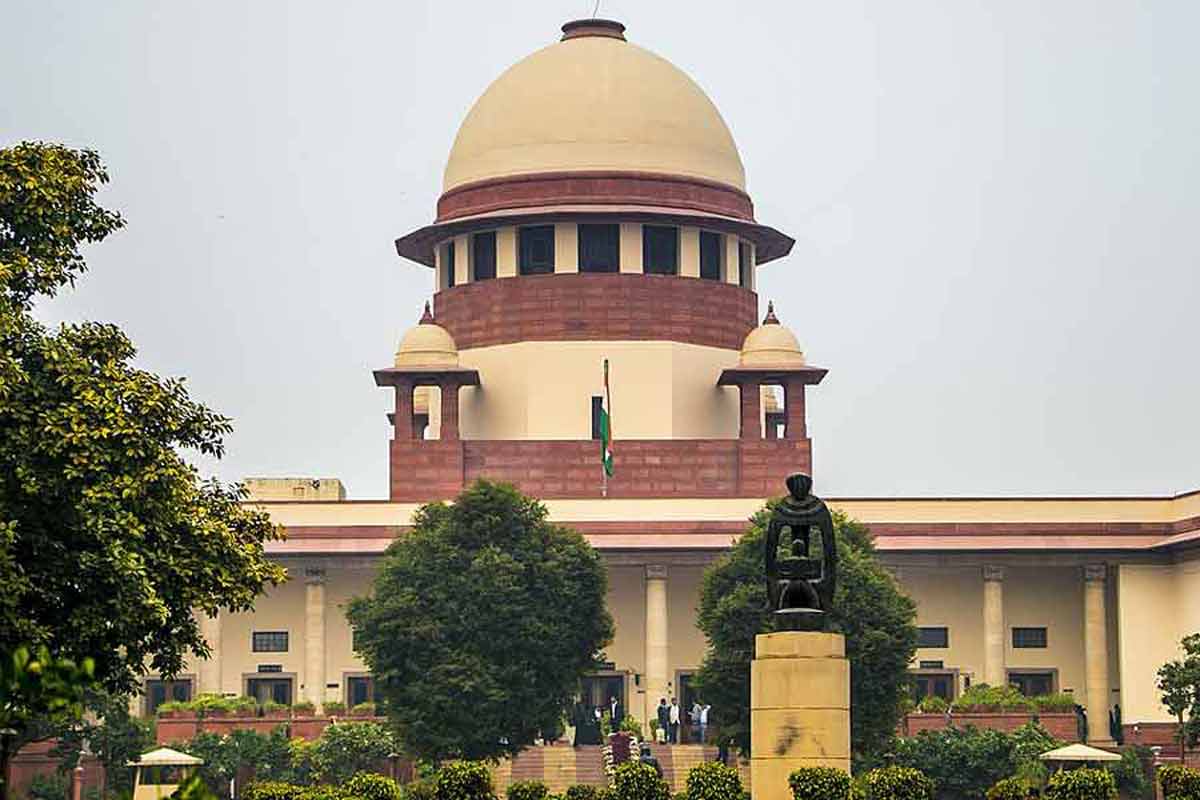
US Supreme Court.
Neal Katyal – a Career Built on Constitutional Firepower
Katyal’s résumé reads like a compendium of modern American legal history. Under President Barack Obama, he served as Acting Solicitor General of the United States from 2010 to 2011, representing the federal government in numerous important Supreme Court cases. Yet even before that, he cut his teeth in the Department of Justice’s Solicitor General’s Office and later returned to private practice with a reputation as a relentless legal strategist.
As a partner at Milbank LLP — where he focuses on appellate and complex litigation — Katyal has continued to argue cases that test the limits of executive power and defend the structural safeguards embedded in the Constitution. He also serves as the Paul and Patricia Saunders Professor of National Security Law at Georgetown University Law Center, mentoring law students while shaping debates about separation of powers and constitutional governance.
READ: Rajnath Singh Opens Cutting-Edge Facilities at BEL, Flags off 2 Akash Missile Regiments
Neal Katyal’s High Stakes and Landmark Battles
While the tariff ruling is his most recent and high-profile victory, it stands among many in a career defined by constitutional conflict:
Voting Rights Act & Independent State Legislature Theory: He successfully opposed efforts to reinterpret core voting rights protections.
Travel Ban Challenge: Katyal challenged the legality of the Trump administration’s 2017 travel ban, one of the era’s most divisive immigration policies.
George Floyd Murder Case: He served as a Special Prosecutor in the high-profile murder case of George Floyd in Minnesota.
Bush v. Gore: Early in his career, he was co-counsel in the pivotal 2000 presidential election case.
His legal influence also extends beyond the courtroom. Katyal is the author of Impeach: The Case Against Donald Trump, a book that explores accountability and constitutional limits on presidential power — themes central to his work.
READ: Govt Clears Rs 3.6 Lakh Crore Defence Deals for 114 Rafale Jets, P-8I Maritime Patrol Aircraft
The Tariff Ruling: A Constitutional Moment
The case that brought Katyal back into the national spotlight tested one of the broadest assertions of executive power in recent memory. In 2025, former President Trump imposed sweeping tariffs on imports from dozens of countries using a law designed for narrowly defined emergencies. Critics argued these measures lacked legal basis, contending that they were essentially revenue levies — a power reserved for Congress.
Representing a coalition of small businesses and trade associations, Katyal argued that the tariffs functioned as taxes and therefore required explicit congressional authorization. Justice’s own skepticism of the executive’s reliance on an antiquated statute played into his favor, and ultimately the Court agreed: presidents cannot unilaterally create sweeping tariff schemes under laws meant for national emergencies. In his public remarks after the ruling, Katyal emphasized that the case transcended partisan politics, framing it instead as a defense of constitutional structure. “This case has always been about the presidency, not any one president,” he said, highlighting the broader significance of the decision beyond the individuals involved.
READ: Resignation Forfeits Pension, But Gratuity Is a Statutory Right: Supreme Court
Influence and Future Impact
Katyal’s contributions have been widely recognized. He has received the Edmund Randolph Award, the highest civilian honour from the U.S. Department of Justice, and has been twice named Litigator of the Year by The American Lawyer. Forbes has listed him among the top 200 lawyers in the United States in recent years.
Yet for all the awards and acclaim, his work — especially the tariff case — underscores a deeper mission: to preserve the constitutional balance that separates and limits governmental power. In an era marked by intense political division and executive activism, Katyal has emerged not just as a legal tactician, but as a public defender of the foundational principles that govern American democracy.
As this ruling reverberates through Washington and beyond, Neal Katyal’s role in shaping the legal contours of executive power will be studied by lawyers, lawmakers, and scholars for years to come.