
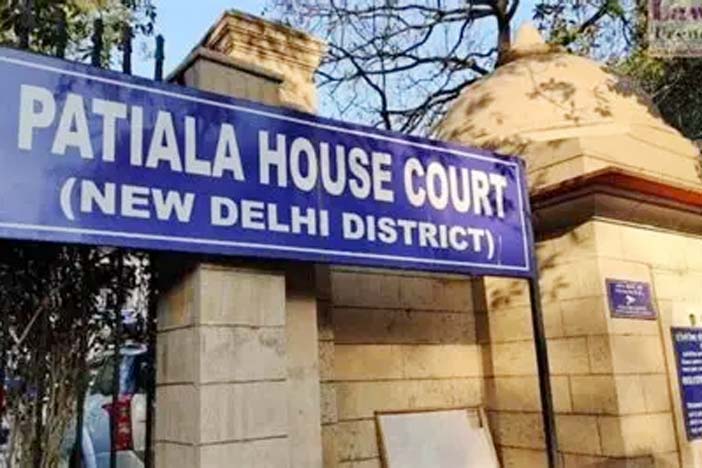
A Family Court judge in Delhi, Harish Kumar, has approached the Supreme Court challenging personal remarks made against him by the Delhi High Court while setting aside one of his divorce judgments. The matter arose from a case in the Patiala House Courts where Kumar, then a Family Court judge, granted divorce by treating cross-petitions for dissolution as deemed consent under Section 13B of the Hindu Marriage Act (HMA), rather than adjudicating them on contested grounds.
Delhi High Court Criticism
The Delhi High Court, while allowing an appeal under Section 19 of the Family Courts Act, not only set aside the decree but also issued sharp personal observations against Kumar. It accused him of:
-
Conflating distinct statutes, blending the HMA with the Special Marriage Act (SMA)
-
Relying on a non-existent provision, Section 28A of the SMA
-
Misunderstanding fundamental legal principles
The Delhi High Court further directed Kumar to undergo refresher training in matrimonial law under the Delhi Judicial Academy before handling future matrimonial matters. It described his conduct as revealing a “serious misapprehension of the limits of judicial authority” and undermining the integrity of the adjudicatory process.
READ: Telangana High Court Quashes Cases Against Tweets Criticizing Congress, Issues Guidelines
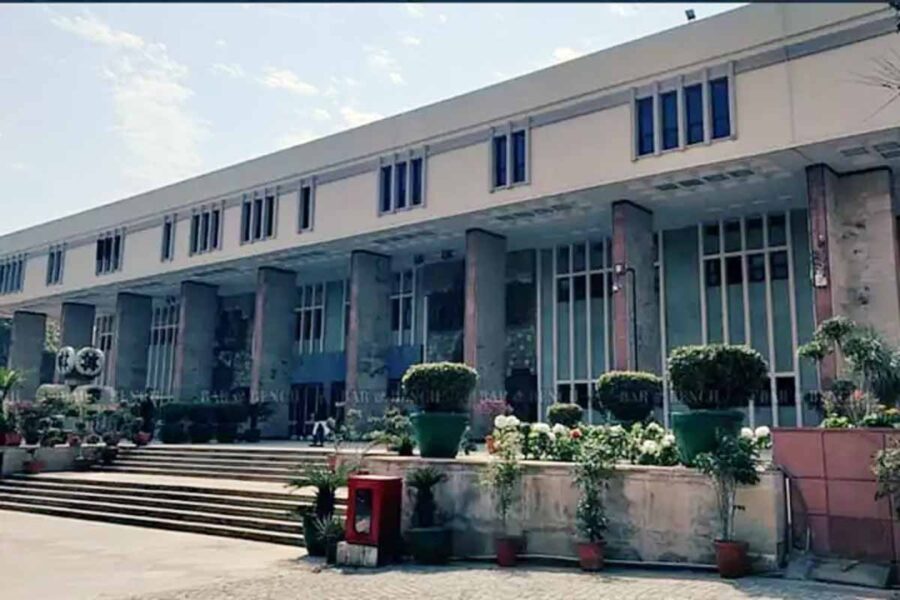
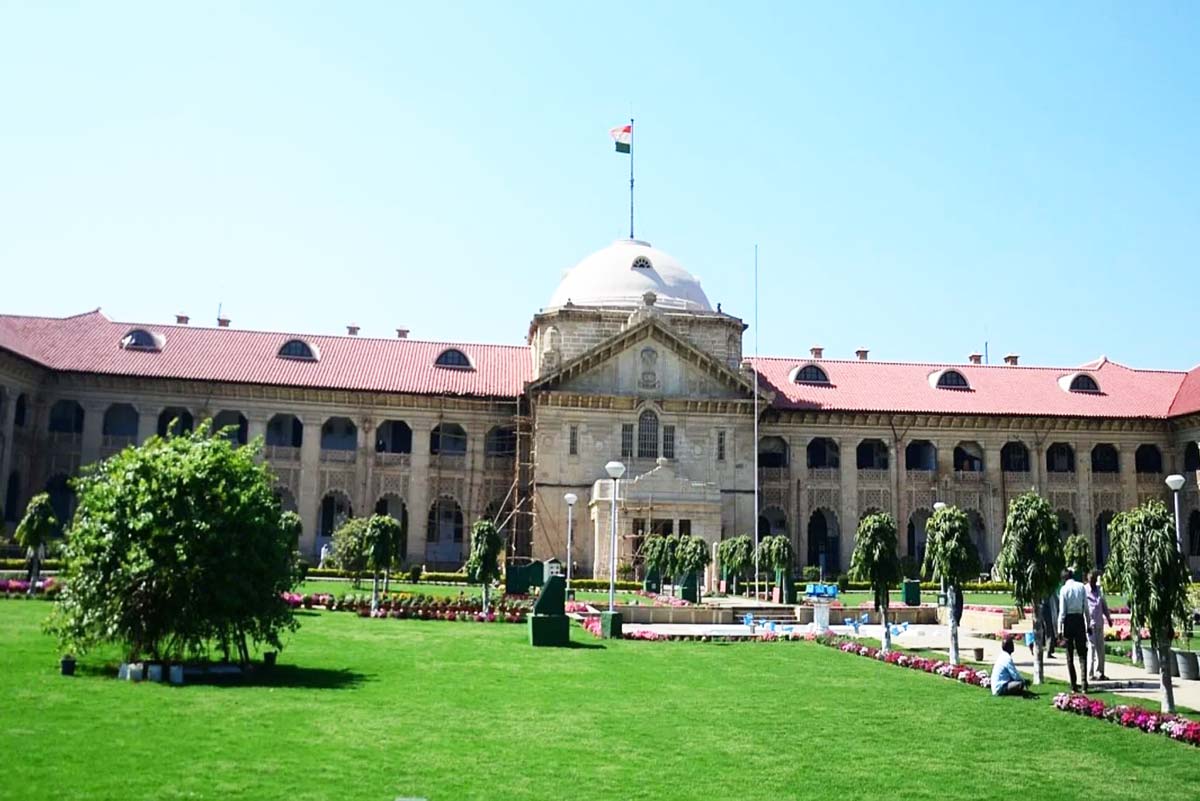
Delhi High Court.
READ: Resignation Forfeits Pension, But Gratuity Is a Statutory Right: Supreme Court
Supreme Court Intervention
Kumar filed a plea in the Supreme Court seeking to challenge the personal remarks, while clarifying he was not disputing the appellate decision on the merits of the case. His counsel emphasized that:
-
The High Court did not issue him notice before making personal observations
-
The remarks were beyond the scope of the appeal
-
Previous Supreme Court rulings caution against personal criticisms of subordinate judicial officers in appellate proceedings
A Bench of Justices Vikram Nath and Sandeep Mehta agreed to examine whether the strictures were warranted but declined to stay the High Court’s observations for now. The Supreme Court noted that Kumar had exercised powers akin to Article 142 of the Constitution, which is reserved for the Supreme Court, while acting as a district judge.
READ: BEML-DIAT Sign MoU to Foster Innovation in Defence and Aerospace Technologies
Kumar’s Rationale and Supreme Court’s Initial Reaction
Kumar had, in multiple cases between 2023 and 2025, treated simultaneous petitions for divorce as mutual consent under Section 13B HMA, aiming to avoid prolonged litigation and provide closure to parties. The Delhi High Court disagreed, emphasizing that procedural flexibility could not override substantive law requirements and that statutory provisions of the HMA and SMA should not be conflated.
The Supreme Court initially hesitated to intervene, noting that the High Court had merely directed a refresher course. However, it issued notice to consider whether the personal criticisms and directions were justified.
READ: Supreme Court Orders Trial Courts to Inform Accused of Right to Free Legal Aid
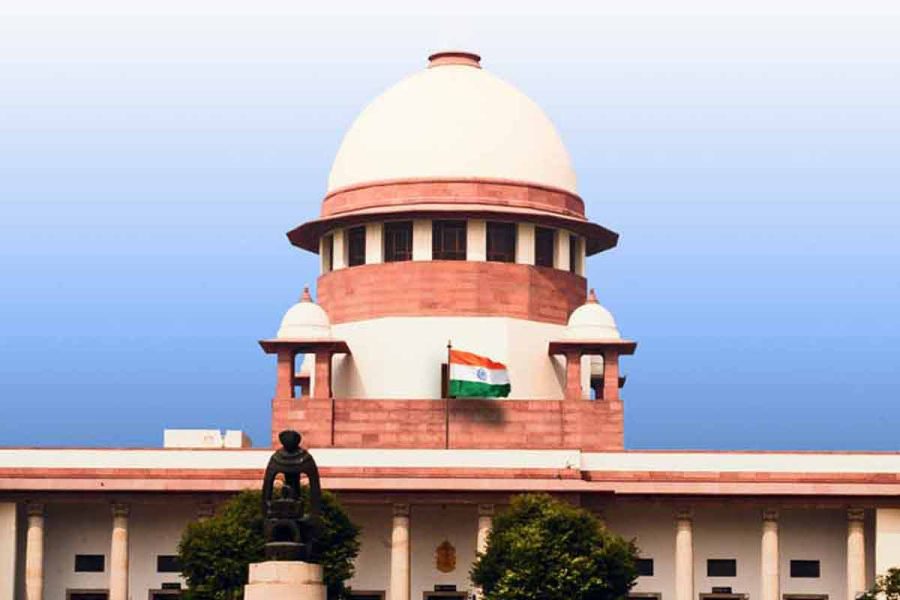
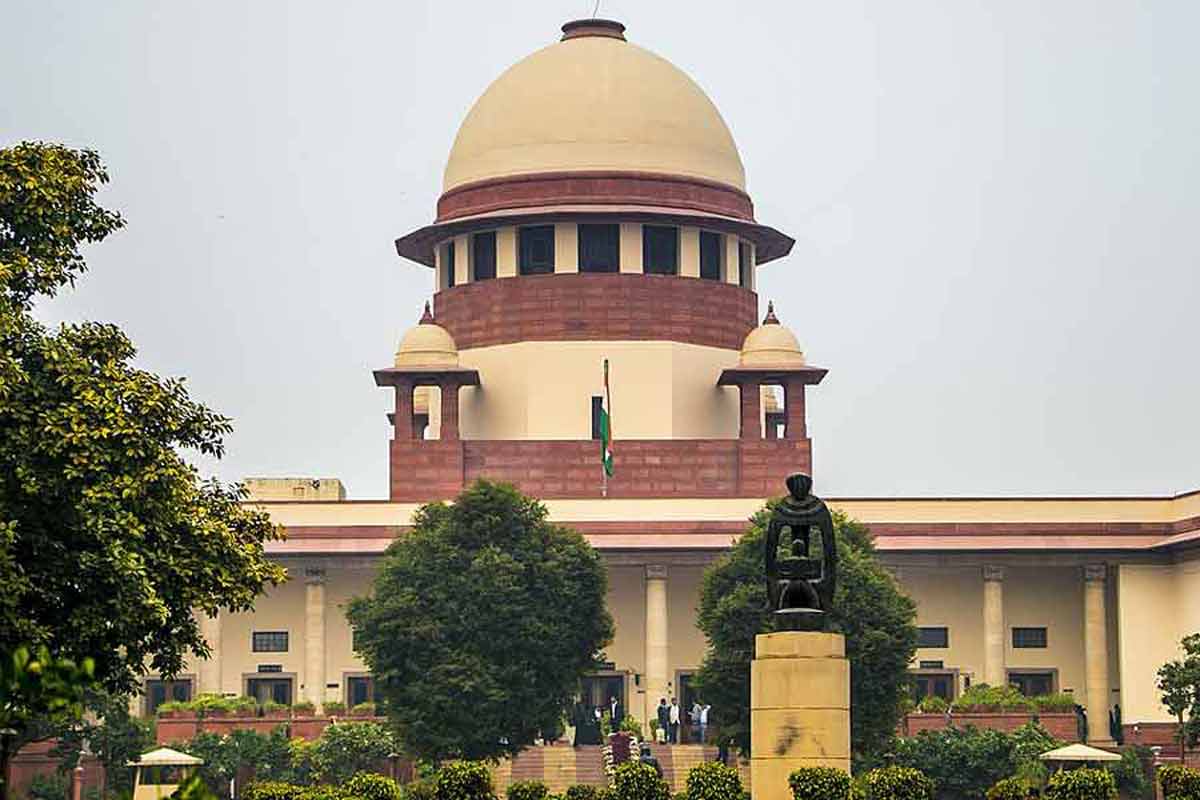
Supreme Court of India.
Core Issue Before the Supreme Court
The matter now centers on whether appellate courts can pass personal strictures against subordinate judicial officers beyond the scope of the appeal and without prior notice, even if errors in legal interpretation are found. Kumar’s plea seeks protection of his reputation and clarification on the limits of judicial scrutiny in such situations.
The case is being closely watched as it touches upon judicial accountability, hierarchical oversight, and the boundaries of personal criticism in appellate review.
READ: Judiciary has played a stabilising role in India’s economic transformation: CJI