
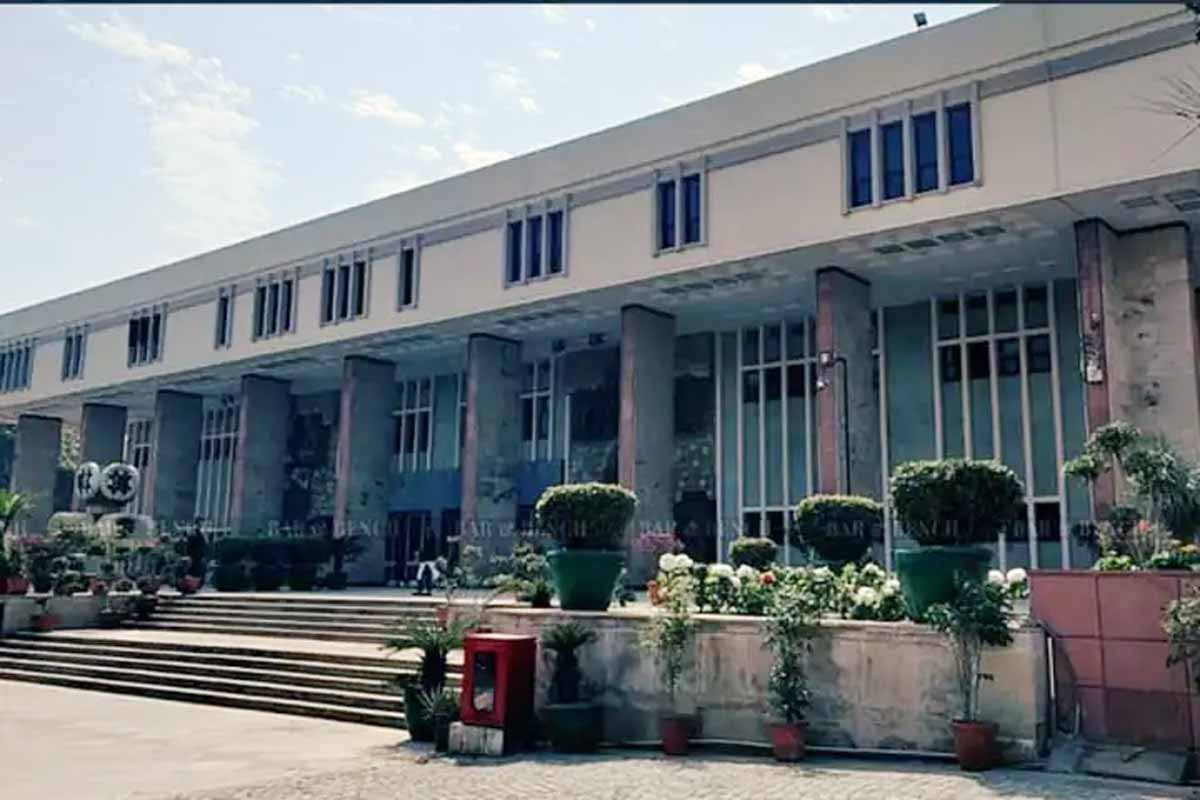


Negative marking in AIBE exam: The Delhi High Court on Wednesday dismissed a public interest litigation (PIL) seeking the introduction of negative marking in the All India Bar Examination (AIBE) from 2026 onwards.
The petition contended that the absence of negative marking diluted professional standards by allowing candidates to qualify through guesswork rather than demonstrated legal competence. It argued that without penalising incorrect answers, the exam undermines its objective of assessing minimum professional capability, thereby impacting litigants’ right to effective legal representation and the overall administration of justice.
READ: Air India and Singapore Airlines Sign Framework Agreement to Deepen Commercial Cooperation
Court Terms It a Policy Matter
A Division Bench comprising Chief Justice Devendra Kumar Upadhyaya and Justice Tejas Karia held that the format of the AIBE is a policy decision within the domain of the Bar Council of India (BCI), and the Court cannot issue directions on such matters.
“This is all a policy decision to be taken by the authorities concerned. BCI has taken a decision not to have negative marking. How can we issue such a direction?” the Bench observed during the hearing.
The Court emphasized that judicial review cannot be invoked merely because a petitioner disagrees with a policy choice.
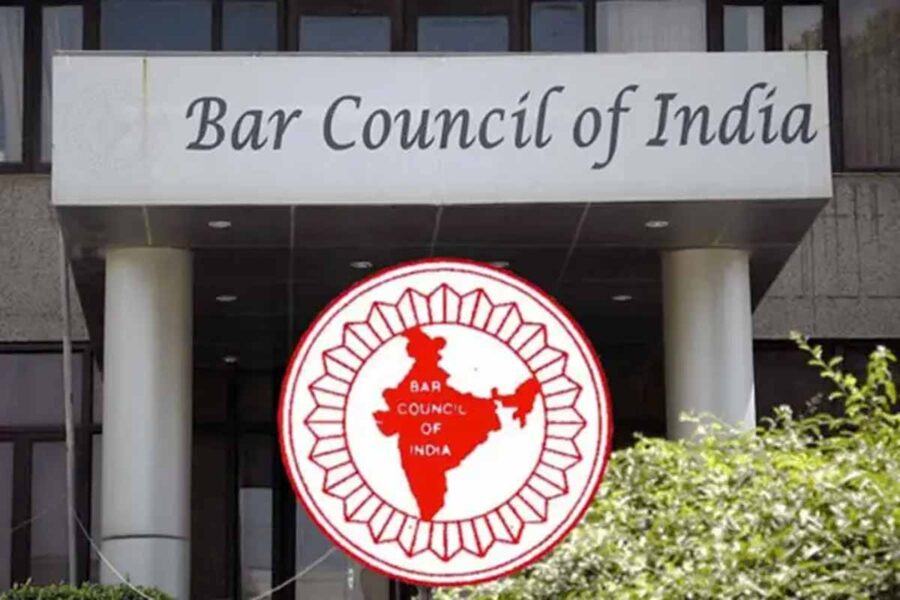
Bar Council of India.
READ: India-Singapore Defence Working Group Meets in Singapore to Strengthen Bilateral Ties
No Infringement of Legal Right, Says Court
The Bench further questioned the maintainability of the PIL, stating that the petitioner had failed to demonstrate any infringement of a legal or fundamental right.
“You can come to court only in case there is an infringement of your right. Where is the right? Merely because you think negative marking should be there, it should become the basis of negative marking in the AIBE?” the Court remarked.
The judges underscored that courts cannot interfere in academic or regulatory policy decisions unless constitutional or legal violations are established.
READ: PM Modi Stresses on Ease of Justice on NALSA Foundation Day
Court Criticises Filing of PIL
The Bench also criticised the petitioner, advocate Shannu Baghel, for filing the PIL, remarking on what it described as a growing trend of casually instituted public interest litigations.
“The difficulty with you people is, don’t take it otherwise. The difficulty is you read the newspaper in the morning and whatever catches your imagination becomes the subject matter of a PIL,” the Bench said.
READ: Hanwha Ocean Opens India Global Engineering Center in Delhi-NCR
Petition Dismissed
Dismissing the petition, the Court recorded in its order: “Heard the petitioner in person. This PIL has been filed to issue a direction to BCI for introducing negative markings in AIBE from 2026 onwards. As to what format of examination can be introduced is a policy decision of the BCI. The petition is therefore dismissed.”
With this ruling, the High Court reaffirmed the Bar Council of India’s authority to determine the structure and evaluation pattern of the All India Bar Examination without judicial interference in the absence of legal infirmity.
READ: CJI BR Gavai Cautions Law Students Against Foreign LLMs by Taking Heavy Loans