
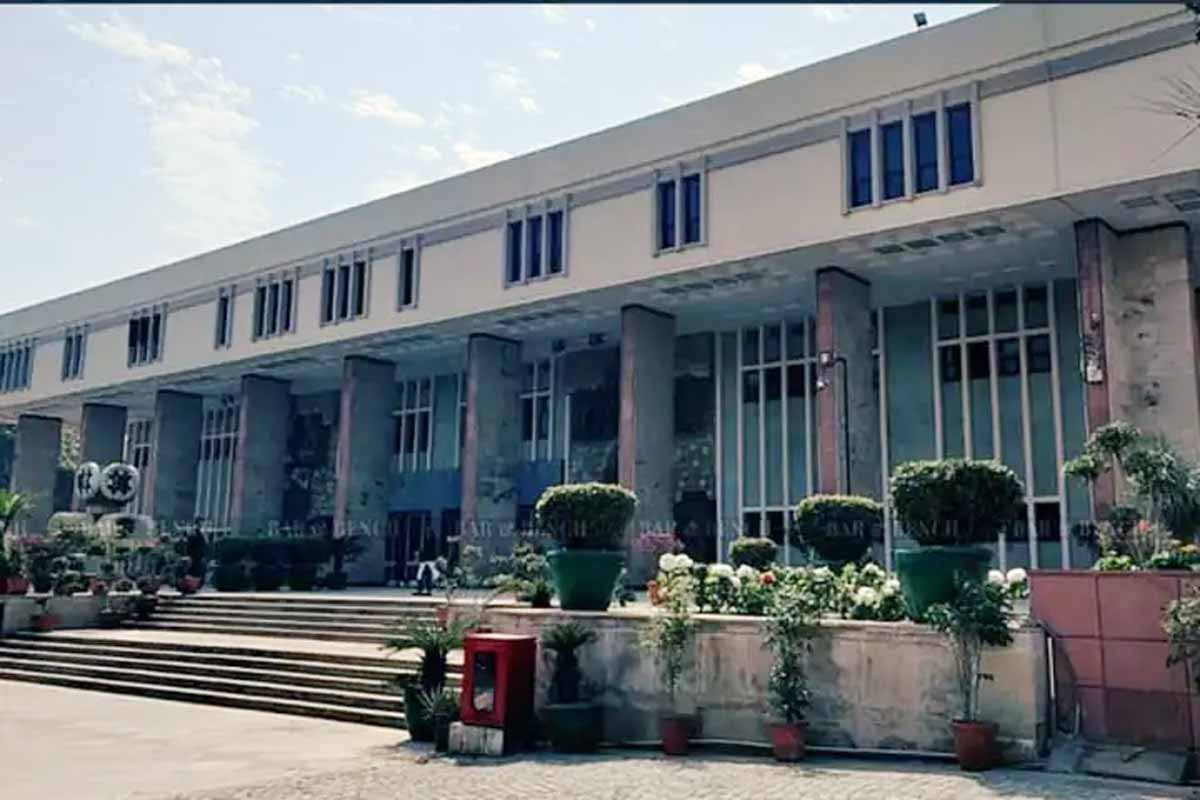

New Delhi — The Delhi High Court on Wednesday sharply criticized a series of past social media posts by journalist Rana Ayyub, describing them as “highly derogatory, inflammatory and communal,” and directed authorities to take appropriate action in the matter.
Justice Purushaindra Kumar Kaurav, hearing a petition concerning tweets posted between 2013 and 2017, emphasized the seriousness of the allegations and called for coordinated action involving the Delhi Police, the Central government, and social media platform X Corp.
“The matter requires urgent consideration,” the Court observed, noting that an FIR had already been registered following earlier judicial directions. It instructed the respondents to file their replies promptly and scheduled the next hearing for April 10.
Delhi High Court directs coordinated response
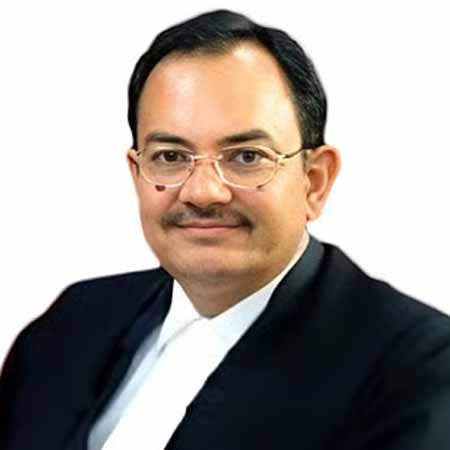
Justice Purushaindra Kumar Kaurav, Delhi High Court.
The High Court issued formal notices to Ayyub, X Corp, and Delhi Police, seeking their responses to a plea that flagged multiple tweets allegedly offensive to Hindu religious sentiments and national figures. The bench also directed the police representative present in court to communicate necessary instructions to the social media platform.
The case stems from a complaint filed by advocate Amita Sachdeva, who had previously approached the Saket Court seeking criminal proceedings against Ayyub. Acting on her complaint, a trial court had ordered the registration of an FIR and directed a police investigation.
READ: Rajnath Singh Lays Foundation Stone of Large Cavitation Tunnel at NSTL
Allegations over tweets on religion and nationalism
Sachdeva’s petition centers on six tweets posted over a four-year period, which she alleges insult Hindu deities such as Sita and Ram, as well as historical and political figures including Vinayak Damodar Savarkar. The complaint further claims the posts promoted “anti-India” sentiment and could incite communal disharmony.
In one 2013 tweet cited in the petition, Ayyub compared mythological figures Ravana and Ram. Another tweet from 2014 quoted a couplet referencing Sita and Draupadi. Additional posts in 2015 questioned Savarkar’s legacy and referred to accounts involving Nathuram Godse.
A 2016 tweet included an image of an injured child and commentary critical of the Indian Army’s actions.
According to Sachdeva, the content caused deep personal offense as a follower of Sanatan Dharma and had broader implications for communal harmony.
READ: Lt Gen Dhiraj Seth Assumes Role as Vice Chief of the Army Staff
Tweets no longer available
During proceedings, Delhi Police informed the Court that the tweets in question are no longer available on X. However, the Court indicated that their removal does not negate the need for investigation or legal scrutiny.
The High Court’s strong remarks underscore the increasing judicial attention on social media content and its potential impact on public order and communal relations. The outcome of the case could have wider implications for how historical posts and digital speech are regulated under Indian law.
The matter will be taken up again on April 10, when the Court is expected to review responses from all parties and consider further action.
READ: India-Finland Formalise Strategic Partnership During President Stubb’s State Visit