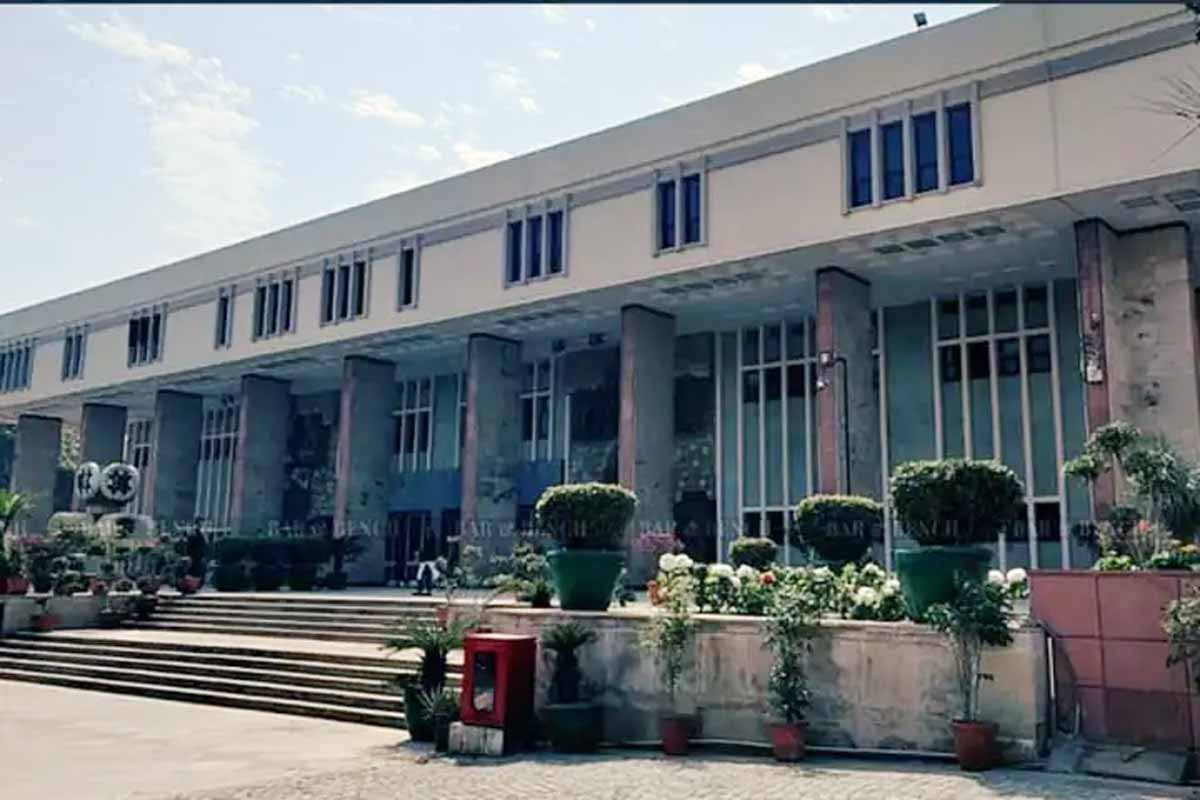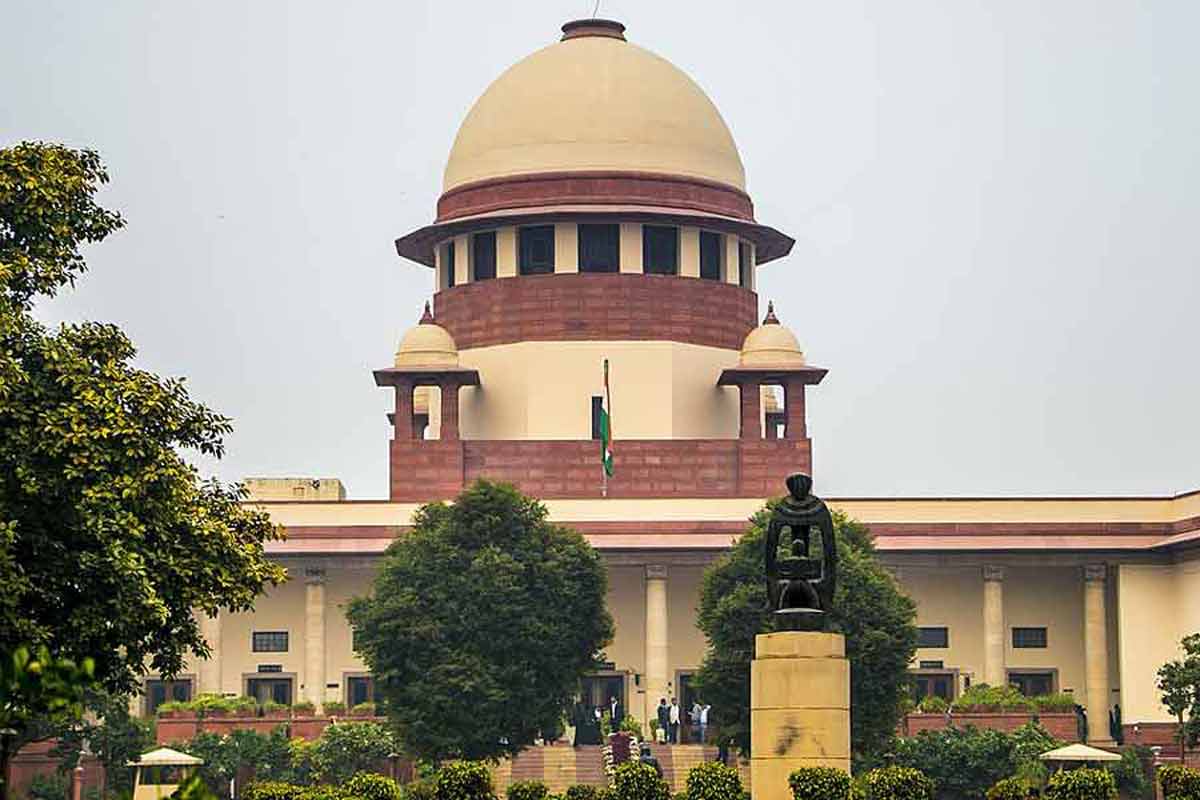

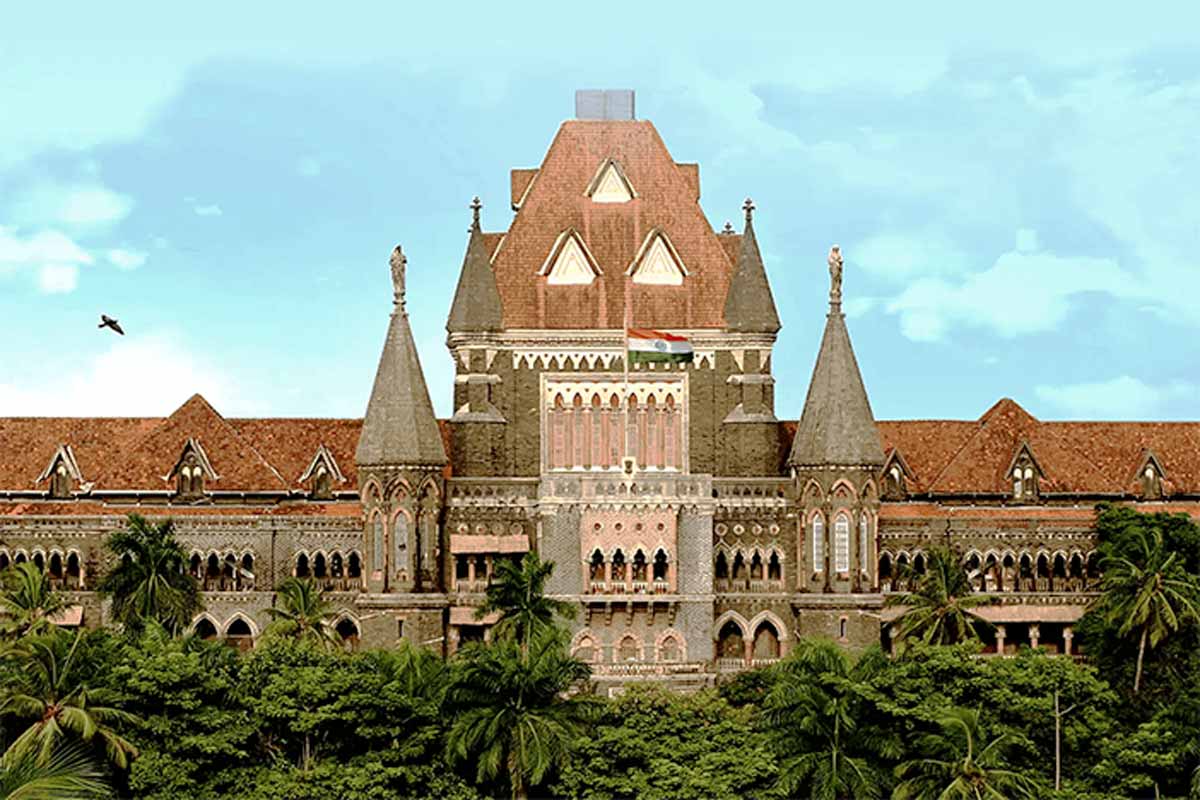


Bombay High Court quashes MMRDA demand against Reliance Industries: Mumbai — The Bombay High Court has set aside a demand exceeding ₹1,100 crore raised by the Mumbai Metropolitan Region Development Authority (MMRDA) against Reliance Industries Ltd, holding the levy to be “illegal, arbitrary and hit by Article 14 of the Constitution.”
In a significant ruling delivered on April 8, a division bench comprising Chief Justice Shree Chandrashekhar and Justice Suman Shyam quashed a 2017 demand-cum-show cause notice and a subsequent 2019 communication through which MMRDA had sought ₹1,116.83 crore as additional premium for alleged delays in completing a convention-cum-commercial complex in Mumbai’s Bandra-Kurla Complex (BKC).
Refund ordered within three months
The Court directed MMRDA to refund ₹646.77 crore already recovered from Reliance under protest within 90 days. It added that failure to comply would attract interest at the same rate the authority charges lessees for delayed premium payments.
The dispute arose from a lease granted to Reliance in 2006 for 1.15 lakh square metres of land in BKC, for which the company paid ₹1,104 crore. Over time, MMRDA increased the permissible Floor Space Index (FSI), allowing additional development on the same plot. This ultimately expanded the project’s total development potential to 3.12 lakh square metres, with Reliance paying an aggregate premium of ₹4,005 crore.
READ: Lt Gen Dhiraj Seth Assumes Role as Vice Chief of the Army Staff
“Single composite project,” says Court
A central issue before the Court was whether the original and additional portions of the project could be treated separately for determining construction timelines. The Bench rejected such a distinction, holding that the project had been conceived and sanctioned as a single composite structure.
This finding undermined MMRDA’s argument that delays in completing different phases warranted additional premiums.
Time not the essence of contract
MMRDA had argued that construction was required to be completed within four years from the lease date and that any extension—irrespective of the reasons, including court orders or regulatory delays—would attract additional premium charges.
The Court, however, ruled that time was not an essential condition of the lease in this case. It further clarified that the four-year construction period should be calculated from the issuance of the first commencement certificate, which occurred in June 2008, rather than from the lease date.
Policy discrimination struck down
A key aspect of the judgment was the Court’s scrutiny of MMRDA’s 2015 policy, which extended the construction period for such projects from four to six years. The authority had applied this benefit only to leases executed after August 2015.
The Bench found this cut-off to be arbitrary and discriminatory, extending the benefit of the six-year period to Reliance as a similarly placed lessee. It held that differential treatment without a rational basis violated Article 14, which guarantees equality before the law.
Payments deemed coercive
The Bombay High Court also took note of Reliance’s contention that it had paid substantial amounts under protest due to the threat of lease termination and denial of occupation certificates.
Accepting this argument, the Bench held that such payments were made under coercion and are therefore liable to be refunded.
READ: CSIR-NAL Transfers All Electric eVTOL QPlane Technology to KKR Aerospace
Broader implications
The ruling is expected to have far-reaching implications for large-scale real estate and infrastructure projects in Mumbai, particularly in the high-value BKC business district. By rejecting retrospective or discriminatory application of policy changes, the judgment reinforces limits on statutory authorities in imposing financial burdens on lessees.
It also underscores that development agreements must be interpreted in a practical and holistic manner, especially where projects evolve over time due to regulatory changes such as increased FSI.
Legal Team
Senior advocate Vikram Nankani appeared for Reliance Industries Ltd, along with advocates Vikramaditya Deshmukh, Ashwin Dave, Ameya Nabar and Swati Jain, instructed by AS Dayal & Associates.
Senior advocate Birendra Saraf represented the Mumbai Metropolitan Region Development Authority, along with advocates Nishant Chotani, Nivit Srivastava, Sneha Patil, Aditi Sinha, Hrishikesh Joshi and Isha Vyas, instructed by Maniar Srivastava Associates.