
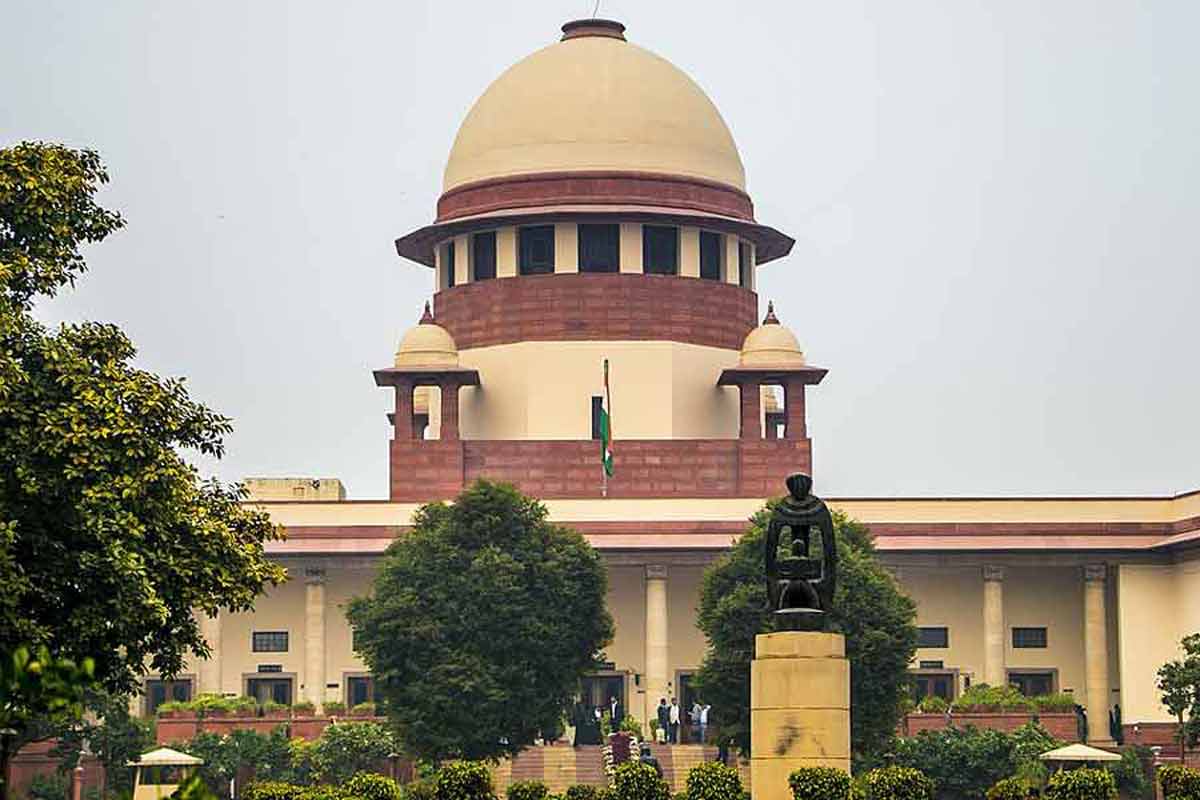
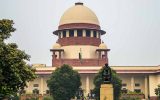
Explained – How Impeachment of Judges Works in India — Process, History, and the Latest Cases: India’s mechanism for removing judges of the Supreme Court and High Courts is one of the most stringent in the world. The Constitution deliberately sets a high threshold to protect judicial independence while still allowing Parliament to act in cases of serious misconduct. The process is laid out in Article 124(4) for Supreme Court judges and Article 218 for High Court judges, with additional procedures defined in the Judges (Inquiry) Act, 1968.
Under this framework, a judge can be removed only on proven grounds of misbehaviour or incapacity. The impeachment process is initiated in Parliament when a removal motion is submitted either in the Lok Sabha or Rajya Sabha. The motion must have the support of at least 100 Members of Parliament in the Lok Sabha or 50 Members in the Rajya Sabha. Once such a motion is presented, the Speaker or the Chairperson must decide whether it warrants admission. If admitted, a three-member Inquiry Committee is constituted. This committee typically includes a Supreme Court judge or the Chief Justice of India, a Chief Justice of a High Court, and a distinguished jurist.
The committee investigates the allegations, frames formal charges, and gives the judge full opportunity to defend themselves, including the right to present evidence, examine witnesses, and make submissions. After concluding its inquiry, the committee submits a report indicating whether the charges have been proven. If the report finds the judge guilty, the motion is then taken up for discussion and vote in both Houses of Parliament.
READ: ‘Sar tan se juda’ slogan challenges India’s integrity, incites rebellion: Allahabad High Court
However, the voting requirement is exceptionally high. Each House must pass the motion separately by (1) a majority of the total membership of that House, and (2) a two-thirds majority of the members present and voting. If both Houses pass the motion, it is sent to the President, who then issues the order removing the judge. In practice, these stringent thresholds, combined with political dynamics, have resulted in no judge ever being successfully removed by Parliament since independence.
Alongside the constitutional process, the judiciary also runs an internal, confidential “in-house procedure” to examine complaints against judges. This can lead to warnings, withdrawal of judicial work, or recommendations for resignation. If the judge refuses to resign, impeachment remains the only constitutional path for removal.
While impeachment attempts have been rare, several cases in recent years have drawn exceptional national attention.
READ: BEML-DIAT Sign MoU to Foster Innovation in Defence and Aerospace Technologies
The Case of Justice Shekhar Kumar Yadav
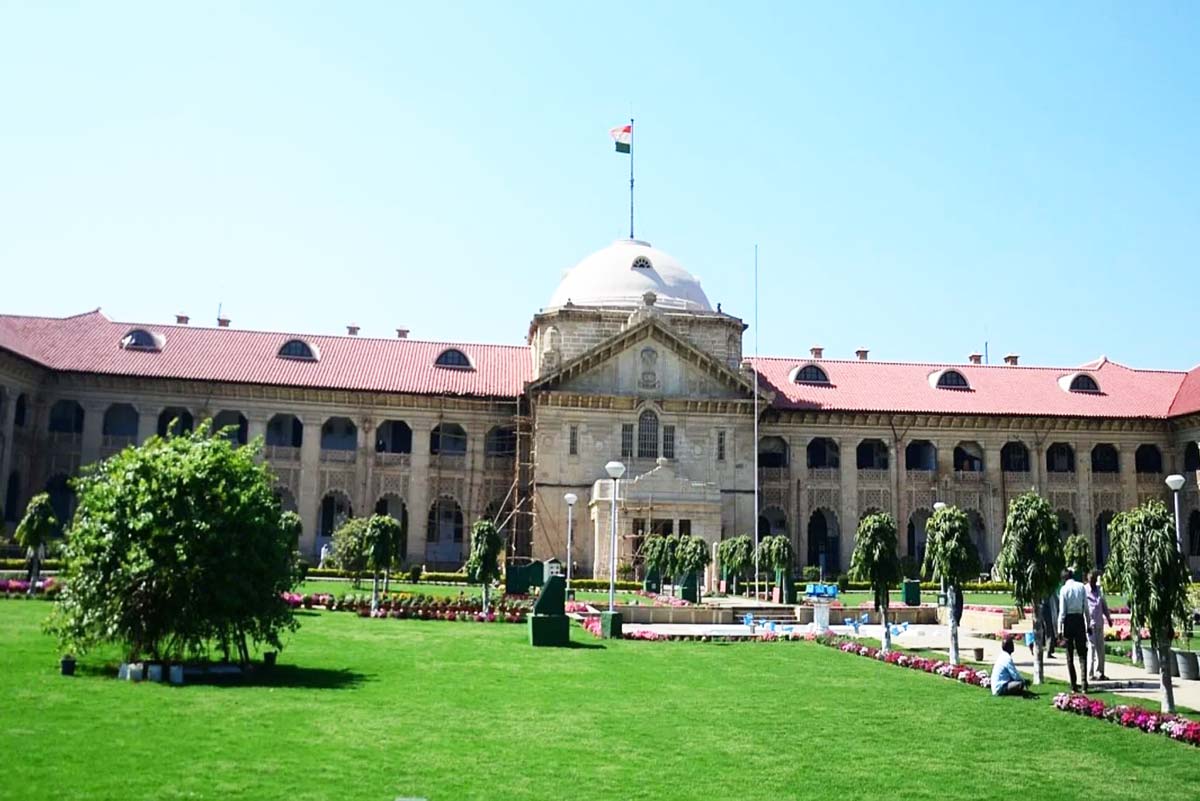
In December 2024, Justice Shekhar Kumar Yadav of the Allahabad High Court came under scrutiny following a speech he delivered at an event organised by a religious organisation. During the speech, he made remarks suggesting that the country should function in accordance with the “wishes of the majority,” and he used language that many considered derogatory and communal in nature. These comments sparked outrage across political and legal circles and were widely criticised as violative of basic principles of judicial neutrality and constitutional secularism.
Following the controversy, a group of around 55 Members of Parliament from the Rajya Sabha submitted an impeachment notice seeking his removal. The allegations against him included hate speech, incitement to communal disharmony, and conduct unbecoming of a judge. The Supreme Court took cognisance of the reports and requested details of his speech from the Allahabad High Court administration. The Supreme Court Collegium subsequently held a closed-door meeting with Justice Yadav, during which he was informed that his remarks were inappropriate and avoidable. Justice Yadav defended himself in writing, maintaining that he had not violated any judicial code of conduct and that his comments had been misinterpreted.
The motion for his impeachment remains pending before the Rajya Sabha Secretariat, which is examining its admissibility. The case has renewed debate on whether public speeches by sitting judges should be strictly regulated to maintain public confidence in judicial impartiality.
READ: CCI Dismisses Bid-Rigging Allegations Against Adani, RP-Sanjiv Goenka in Coal Block Auctions
In early 2025, Justice Yashwant Varma of the Allahabad High Court became the subject of one of the most serious judicial controversies in recent years. A fire at his official residence led to the discovery of a substantial amount of unaccounted cash, triggering widespread concerns of corruption. The Chief Justice of India constituted an in-house investigation committee to examine the allegations. The committee reportedly found serious lapses and concluded that the concerns were grave enough to warrant further action.
On the basis of these findings, a motion for his impeachment was introduced in Parliament. This case is particularly significant because a formal in-house committee report recommending impeachment is extremely rare. As a result, Justice Varma’s case is being closely watched, as it could become the first instance in independent India where the removal process proceeds beyond preliminary stages with substantive findings of misconduct. The motion is currently pending, and Parliament is expected to consider it in an upcoming session.
READ: NISAR Satellite Marks Historic Milestone in U.S.-India Space Cooperation
Why No Impeachment Has Ever Succeeded?
India’s constitutional design, while providing a mechanism for judicial removal, makes actual removal extremely difficult. The special-majority requirement in both Houses ensures that only cases with overwhelming political consensus can result in impeachment. Historically, political divisions have prevented such consensus. In the case of Justice V. Ramaswami in the early 1990s, the first impeachment attempt in India, the motion failed even after the investigating committee found him guilty, because one major political party abstained from voting.
Another reason is that judges often resign before the process reaches its conclusion. Justice Soumitra Sen of the Calcutta High Court resigned after the Rajya Sabha voted to impeach him but before the Lok Sabha could do so. Justice P.D. Dinakaran, facing serious corruption allegations, also resigned before the inquiry process concluded. Because impeachment applies only to sitting judges, a resignation immediately ends the process.
These structural, procedural, and political complexities explain why, despite several high-profile controversies over the decades, no judge has yet been removed by impeachment. The current cases involving Justice Shekhar Kumar Yadav and Justice Yashwant Varma may test the limits of this framework once again, and their outcomes are likely to shape future debates about judicial accountability in India.
READ: TVS Infrastructure Trust Raises ₹1,300 Crore in Landmark IPO